 Castelnuovo del Garda
Southern shore
Gardaland's home town, with quiet beaches, Custoza vineyards and Peschiera and Lazise either side

Southern shore
A hilltop fortress, a monthly antiques market and quiet Lugana country, ten minutes inland from Desenzano
Lonato del Garda is the town most people drive past on the way to the water. It sits on the first ridge of the moraine hills about 4 km south-west of Desenzano, with a walled fortress on top, a brick-and-ochre old town wrapped around a big 18th-century basilica, and vineyards and cornfields running off in every direction. Apart from a few hundred metres of shore at Lido di Lonato, squeezed between Desenzano and Padenghe, there is no lakefront, no ferry pier and no queue of hire boats, which is exactly why it feels so different from the towns down the hill. On a weekday morning the bars on Corso Garibaldi are full of locals, not tour groups.
As a base it works if you have a car and want lower prices, easy parking and a real town to come home to, with Desenzano and Sirmione both within 15 minutes. It suits couples who like history and wine, and families who are happy to drive to the beach. This guide covers the Rocca and the museums inside it, the abbey, the markets and fairs, the surrounding Lugana and San Martino wine country, and how to get down to the lake without a car.
01 Sightseeing
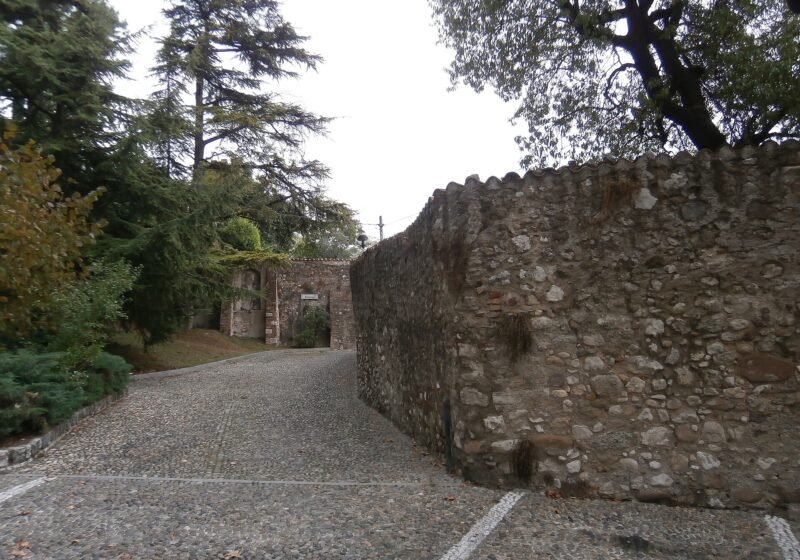
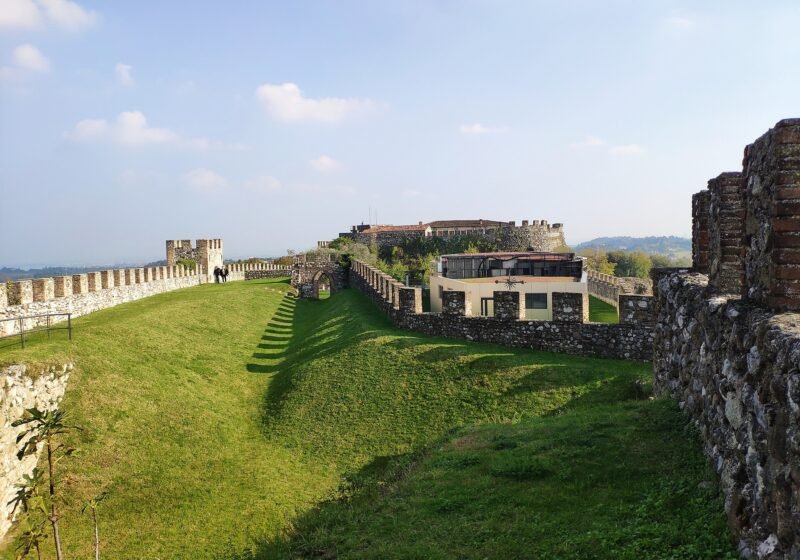
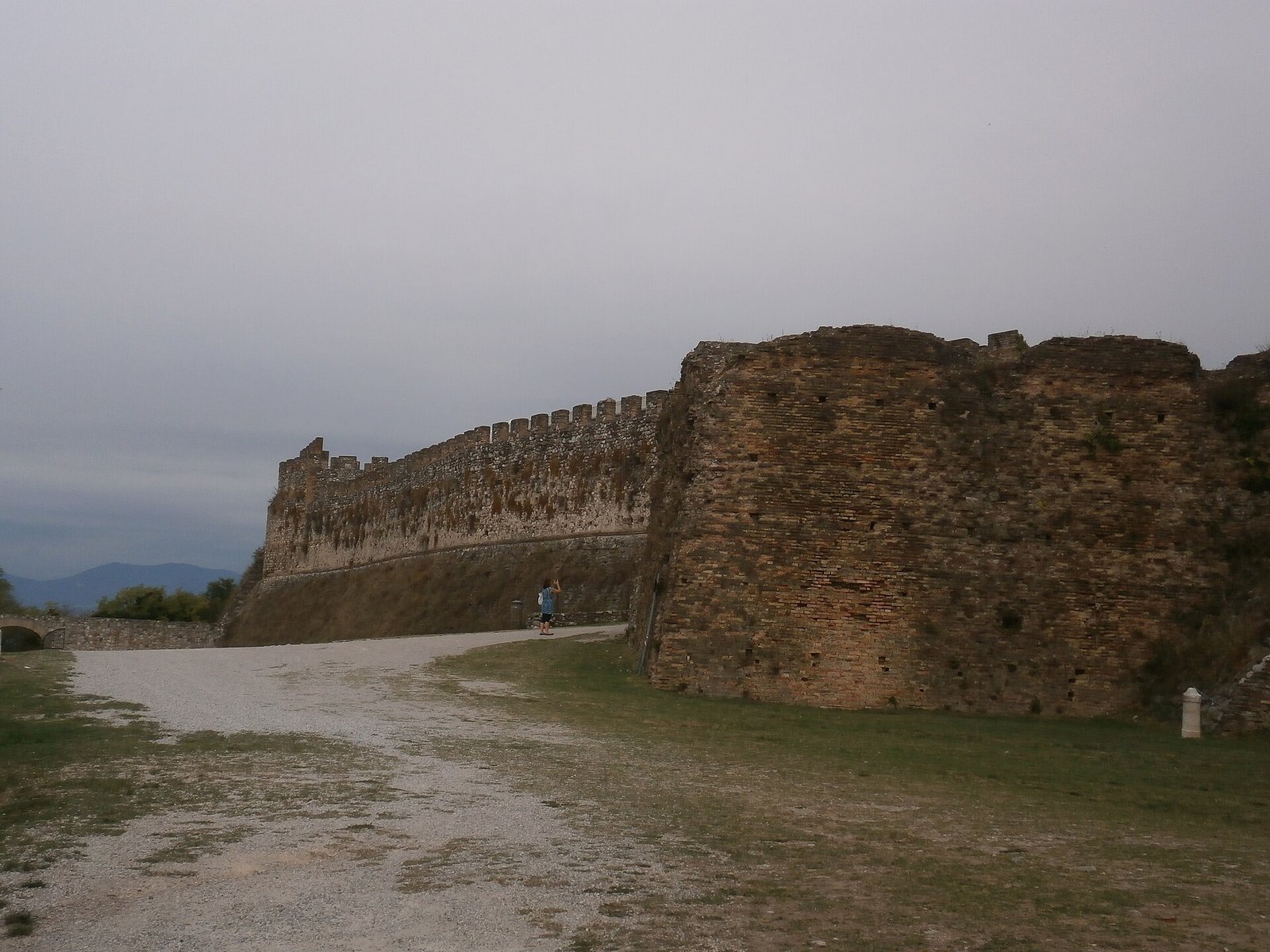
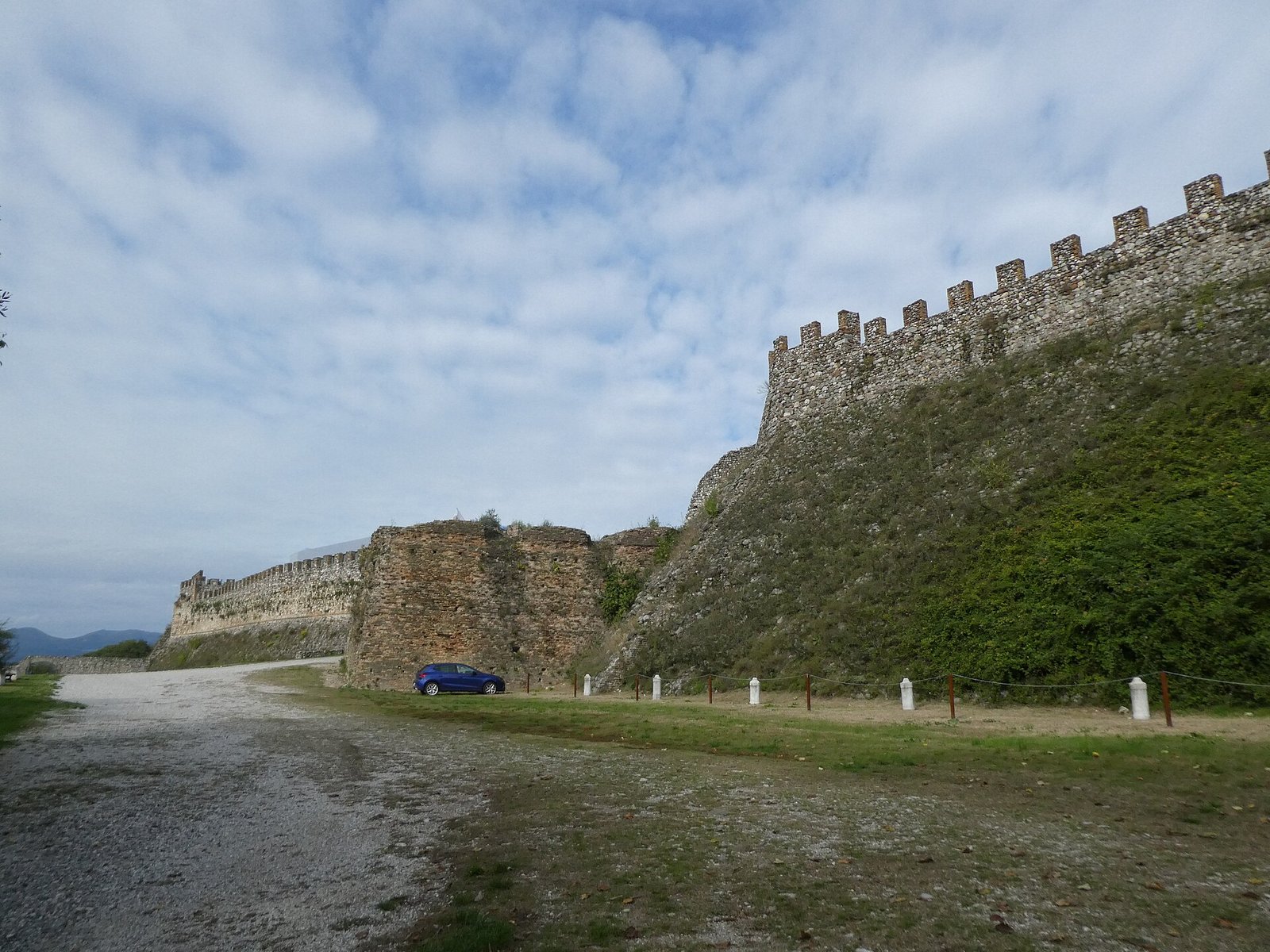
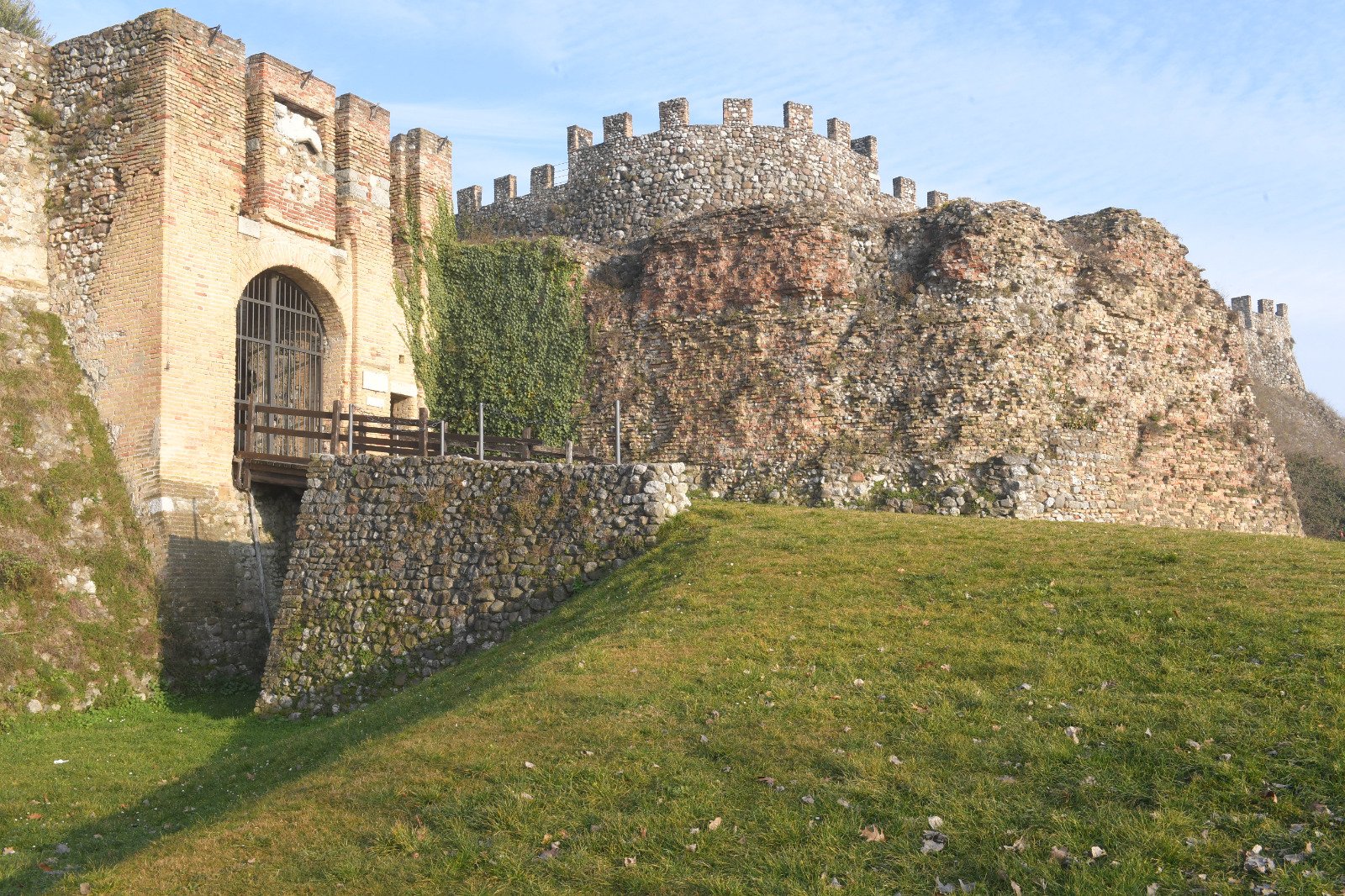
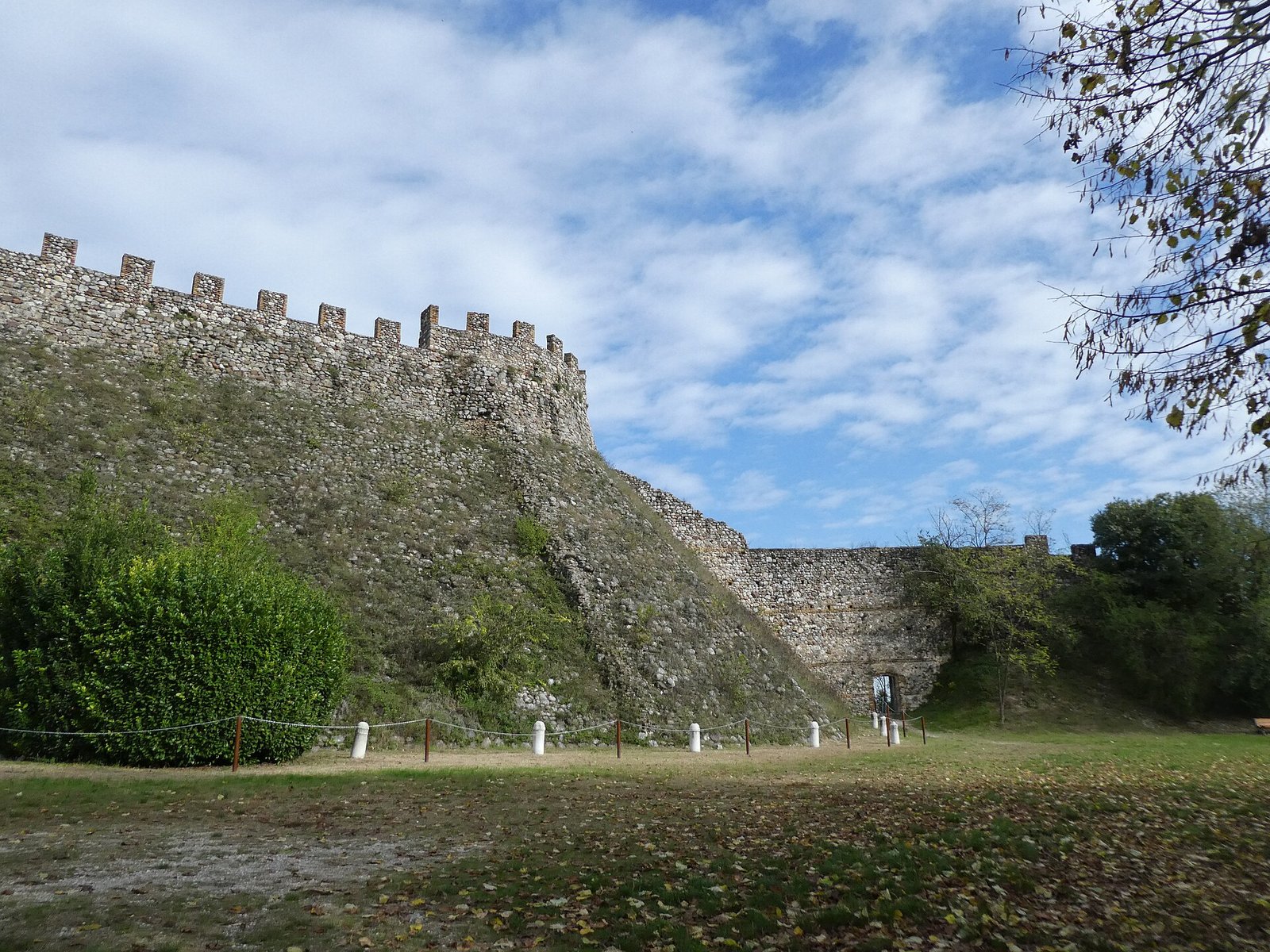
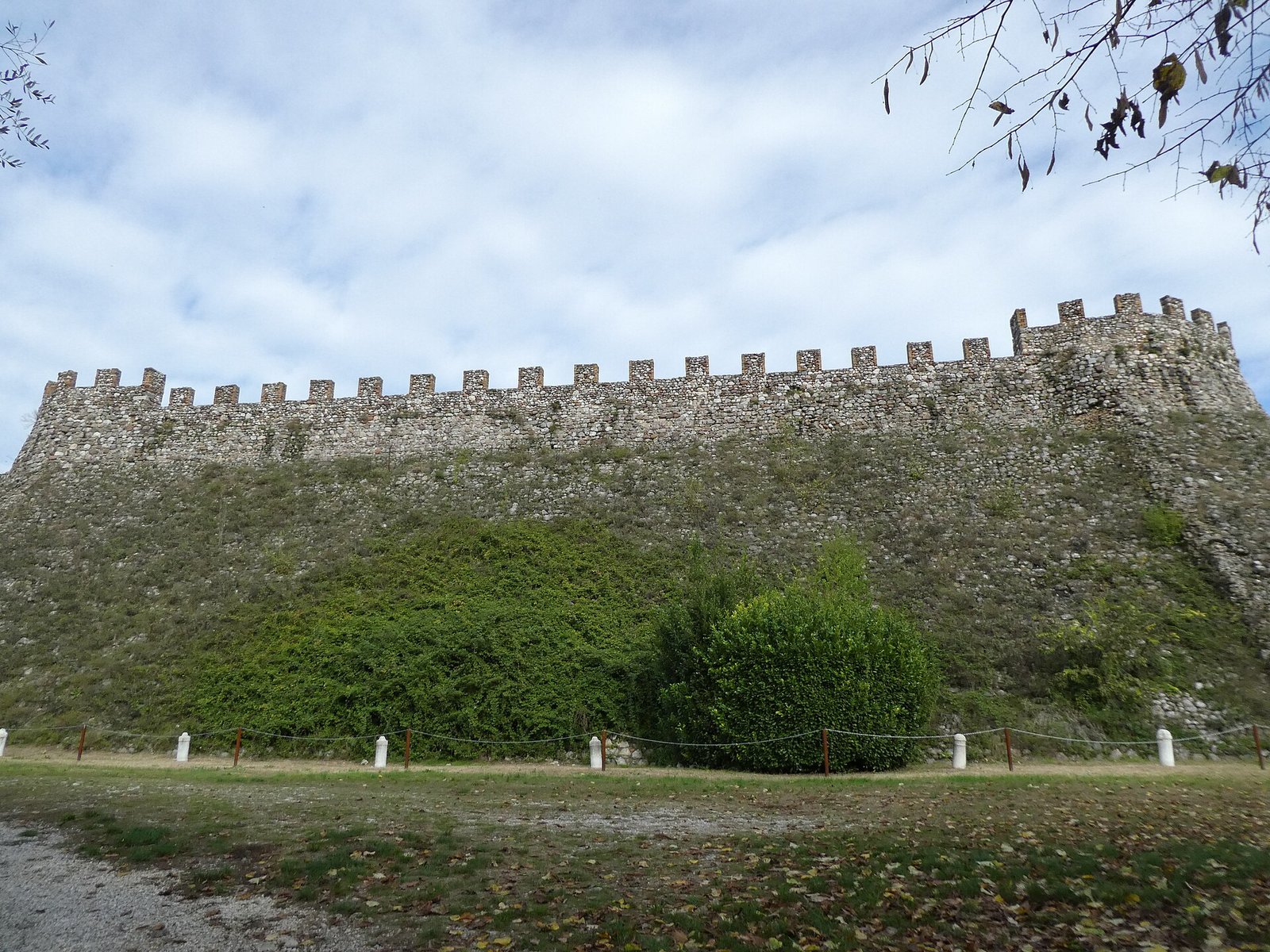
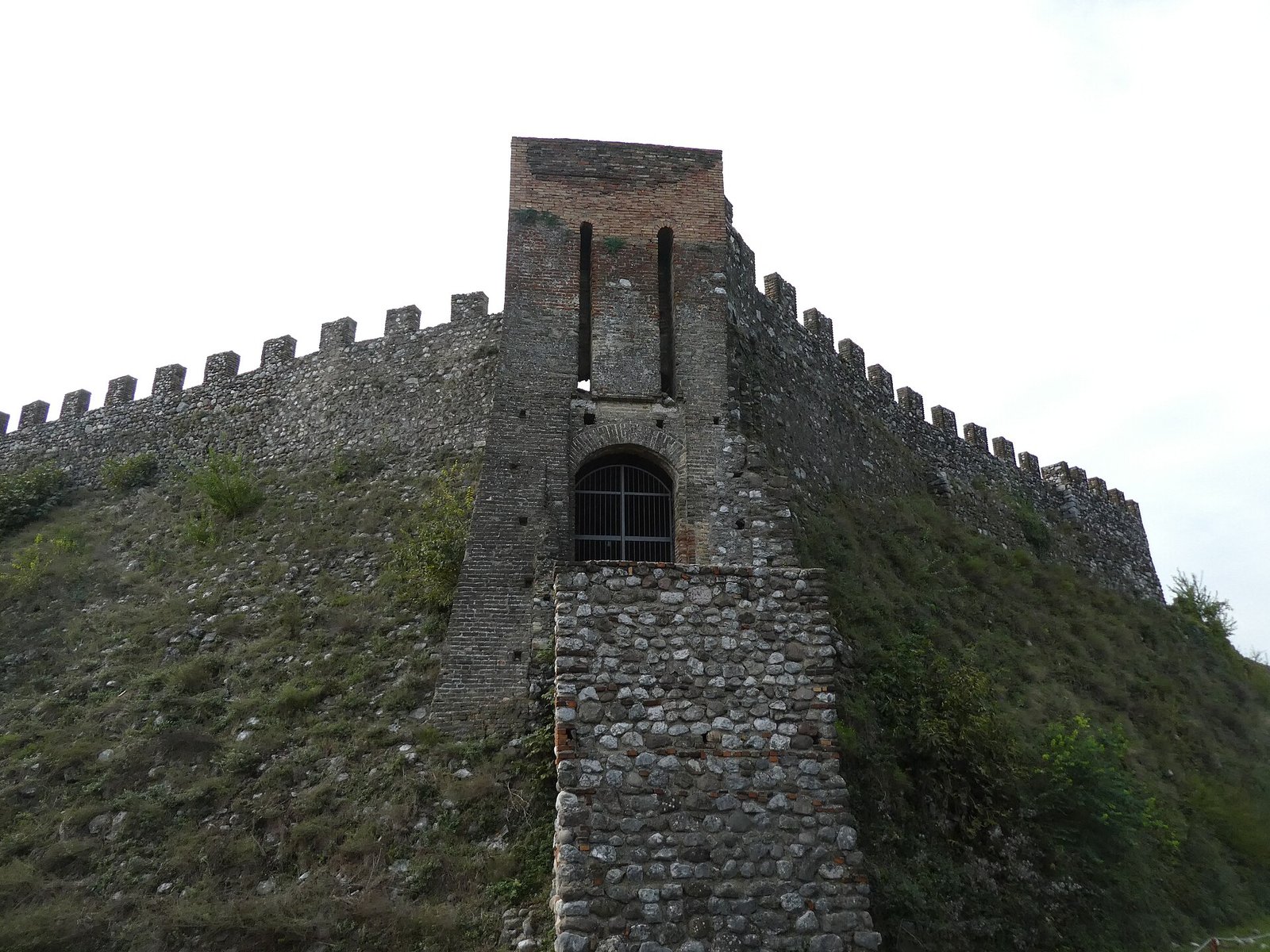
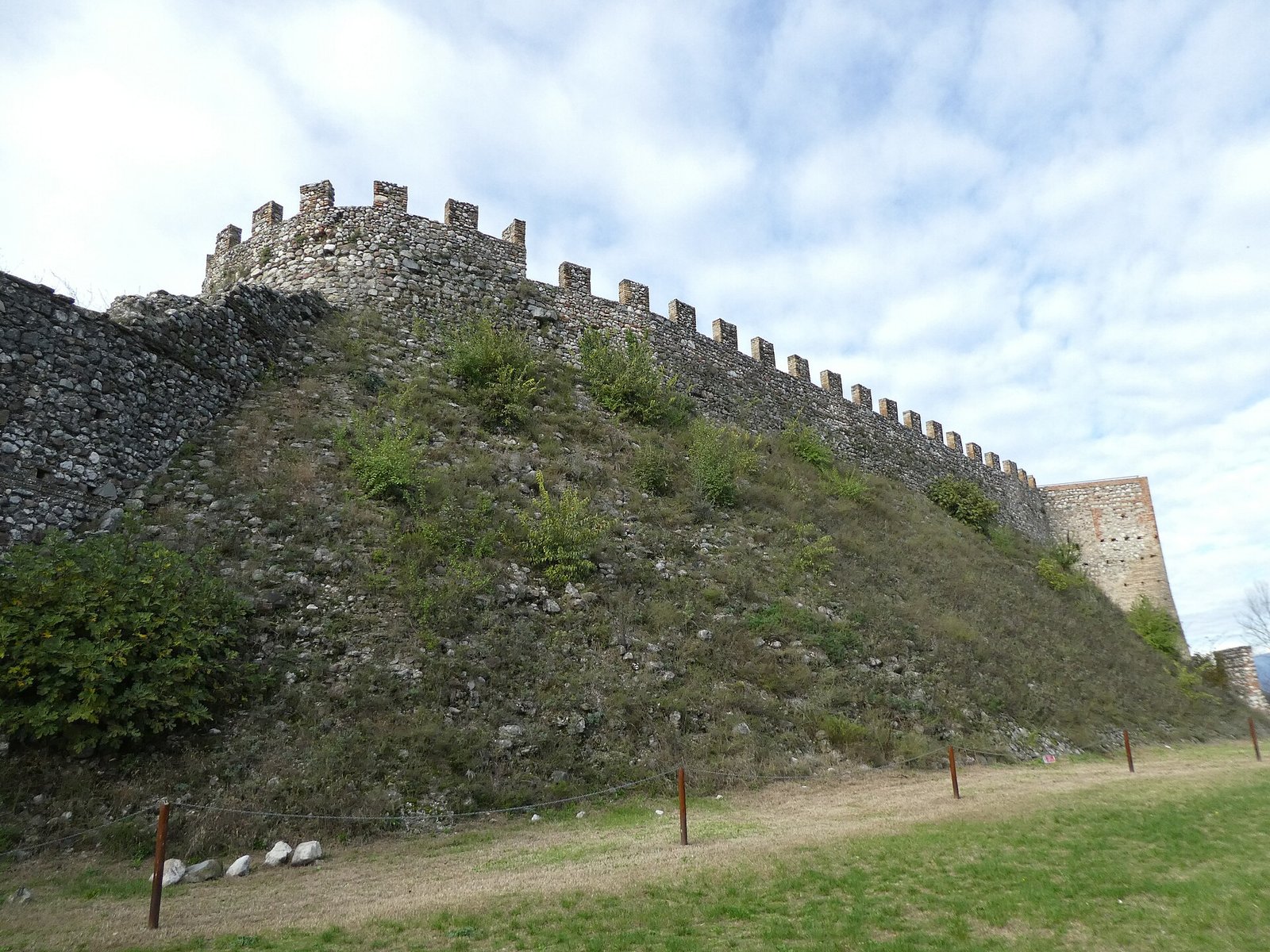
The Rocca is one of the biggest fortresses in Lombardy, a long oval of Visconti and Venetian walls stretched along the hilltop above town. You walk the full circuit of the ramparts, climb the keep and look out over the southern basin of the lake, Sirmione’s peninsula and, on a clear day, Monte Baldo. Inside there is a small ornithological museum and plenty of grass for a picnic.
The Rocca is run by the Fondazione Ugo Da Como and a combined ticket covers the Casa del Podestà next door. It is open daily from March to October and at weekends only from November to February, so check before you drive up in winter.
02 Culture & history
Just below the Rocca gate, the Casa del Podestà was the home of senator Ugo Da Como, who spent the early 20th century turning the old magistrate’s house into a private museum. It is visited on a guided tour: rooms of Renaissance furniture, majolica and paintings, and a library of more than 50,000 volumes with medieval manuscripts and incunabula.
Tours run at fixed times and are in Italian, though the guides usually manage a summary in English. It is the kind of place that rewards a slow visit, and it is rarely crowded.
03 Markets & shopping
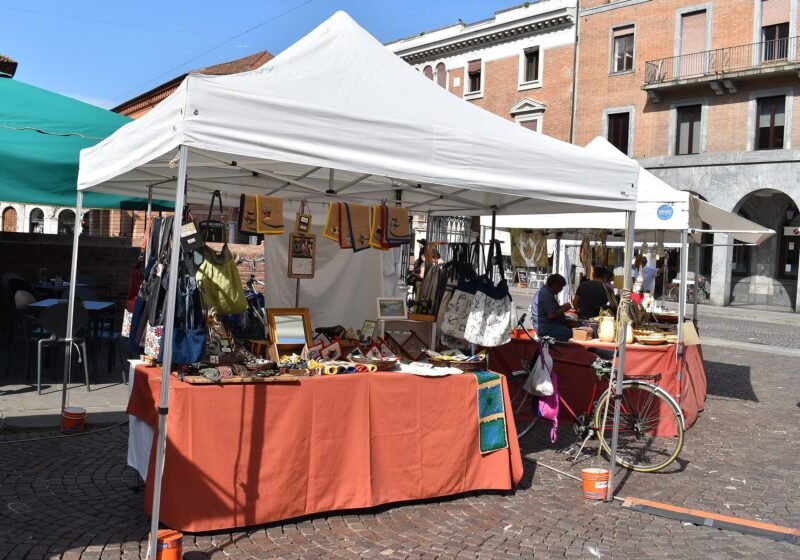
On the third Sunday of every month the streets of the old town fill with antiques and collectables: furniture, prints, old tools, ceramics, vinyl and a lot of things nobody can name. It is one of the larger monthly markets in the province and draws dealers from across Lombardy and the Veneto.
Lonato’s ordinary weekly market runs on Thursday mornings in the lower town, good for cheese, salami and cheap clothes. For more ideas, see our guide to shopping around Lake Garda.
04 Culture & history
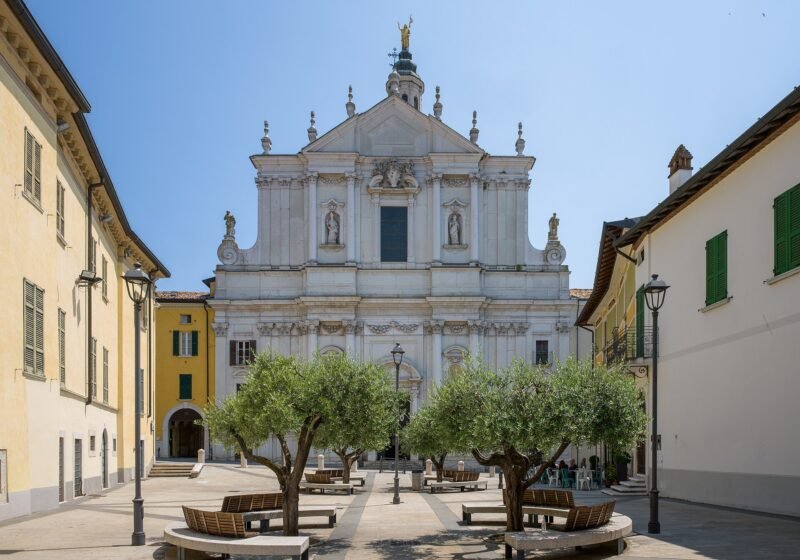
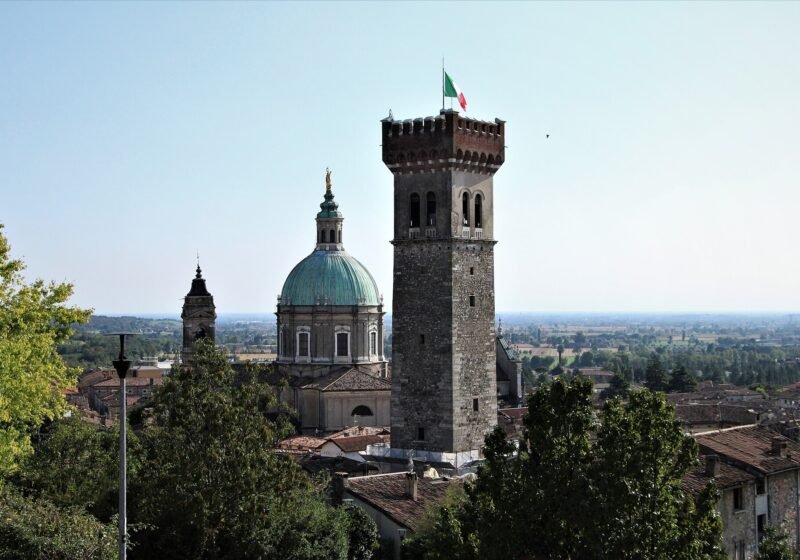
Lonato’s cathedral is far bigger than a town this size needs, a domed 18th-century basilica designed by the local architect Paolo Soratini that fills one side of the main square. The interior is cool, bright and full of marble, with a large dome you only really appreciate when you stand under it.
Next door the civic tower, the Torre Civica, marks the corner of the square, and the lanes behind climb steeply to the Rocca. It is a good starting point for a wander before lunch.
05 Food & wine
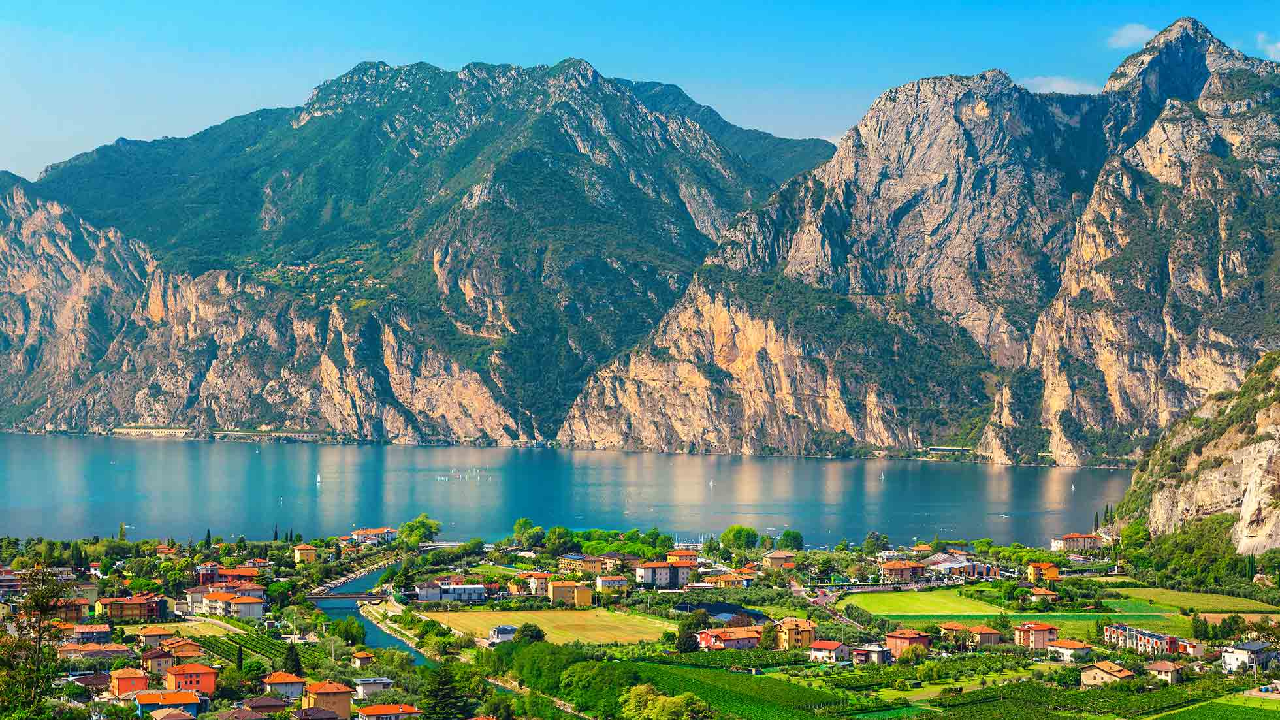
The moraine hills south of the lake produce two wines worth an afternoon: Lugana, the mineral white from Turbiana grapes that grows on the clay between Lonato, Desenzano and Peschiera, and the little-known San Martino della Battaglia DOC, a dry white and a sweet fortified version from the ridge east of town. Family wineries around Lonato, Pozzolengo and San Martino open their cellars for tastings, typically €15–25 for three or four wines with local cheese.
We have listed our favourites in our pick of the best Lake Garda vineyards. Most need a booking a day or two ahead, and many close for lunch.

06 Culture & history
Three kilometres north-east of town, the Abbazia di Maguzzano is a Benedictine abbey with roots in the 9th century, rebuilt in the 1400s and still home to a small religious community. The cloister is peaceful, the church has a fine wooden ceiling and the setting among vines and olive trees is very quiet.
Opening is limited, usually afternoons and by arrangement, so it is one to check ahead. Combine it with a walk or bike ride along the farm lanes towards Desenzano.
07 Outdoors
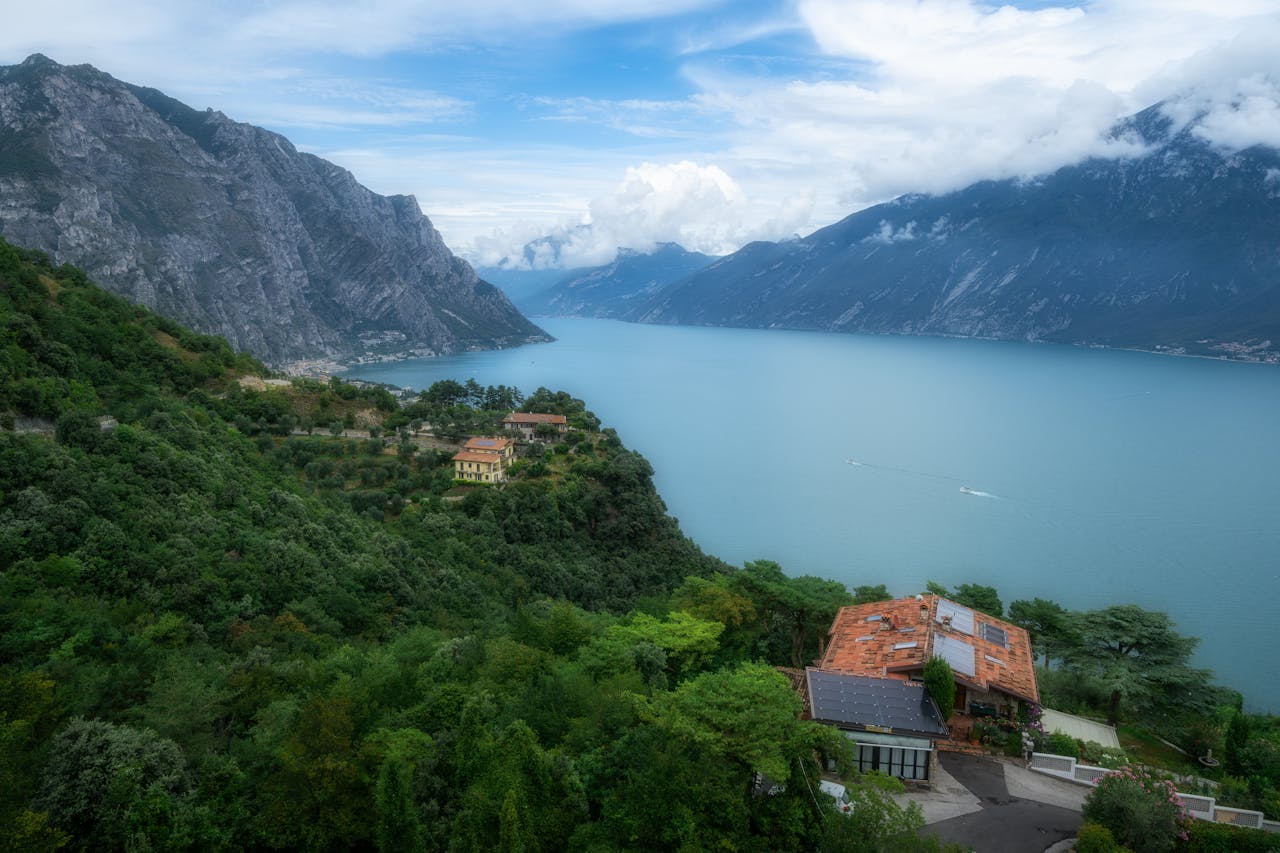
The rolling country south of the lake is the easiest cycling around Garda: quiet lanes, short climbs and vineyards rather than lorries. A good loop from Lonato heads east to the Tower of San Martino della Battaglia, the 64-metre monument to the 1859 battle that you can climb for a view over the whole southern basin, then back through Rivoltella and Desenzano, about 25 km in all.
Hire bikes are easiest to find in Desenzano. We have more routes, including this one, in our guide to the best Lake Garda bike rides.
08 Beach & lake
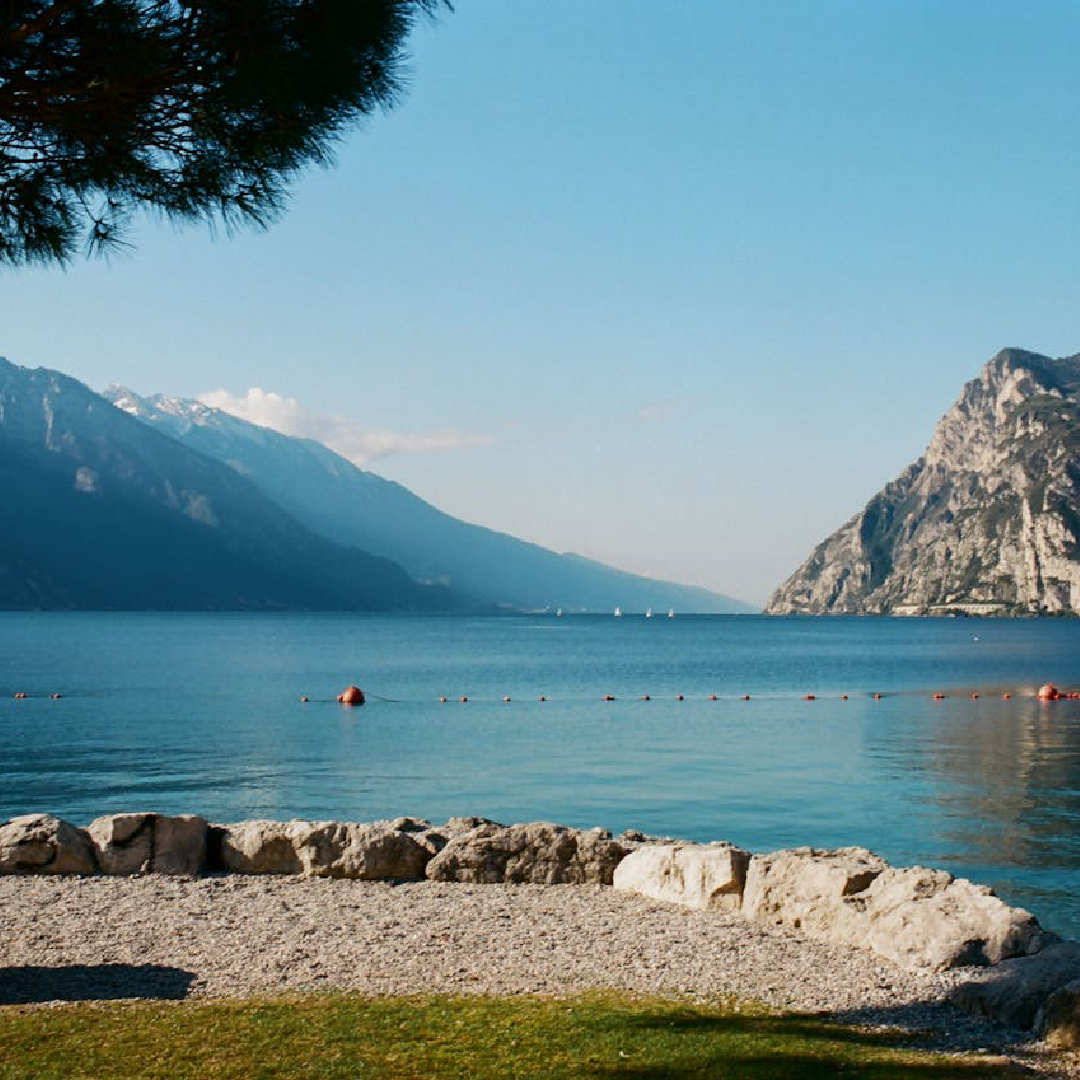
Lonato has no shoreline of its own, but the beaches of Desenzano are 10 minutes away. The Spiaggia d’Oro and the long stretch of Rivoltella have grass, pebbles and shallow water for children, and the Desenzano lido has sunbeds and a pool if you prefer. Padenghe’s beach by the marina is a similar distance north.
See our pick of the best Lake Garda beaches for the full run-down on where to swim.
09 Culture & history
The Fiera Regionale di Lonato in mid-January is the big event of the year, an agricultural and trade fair with food stalls, livestock, machinery and a funfair that takes over the town for a long weekend. In summer the calendar fills with sagre in the hamlets and open-air concerts and films in the Rocca, which is a memorable place to sit on a warm night.
Dates change each year, so ask at the tourist office in the old town or check the comune’s notices when you arrive.
10 Food & wine
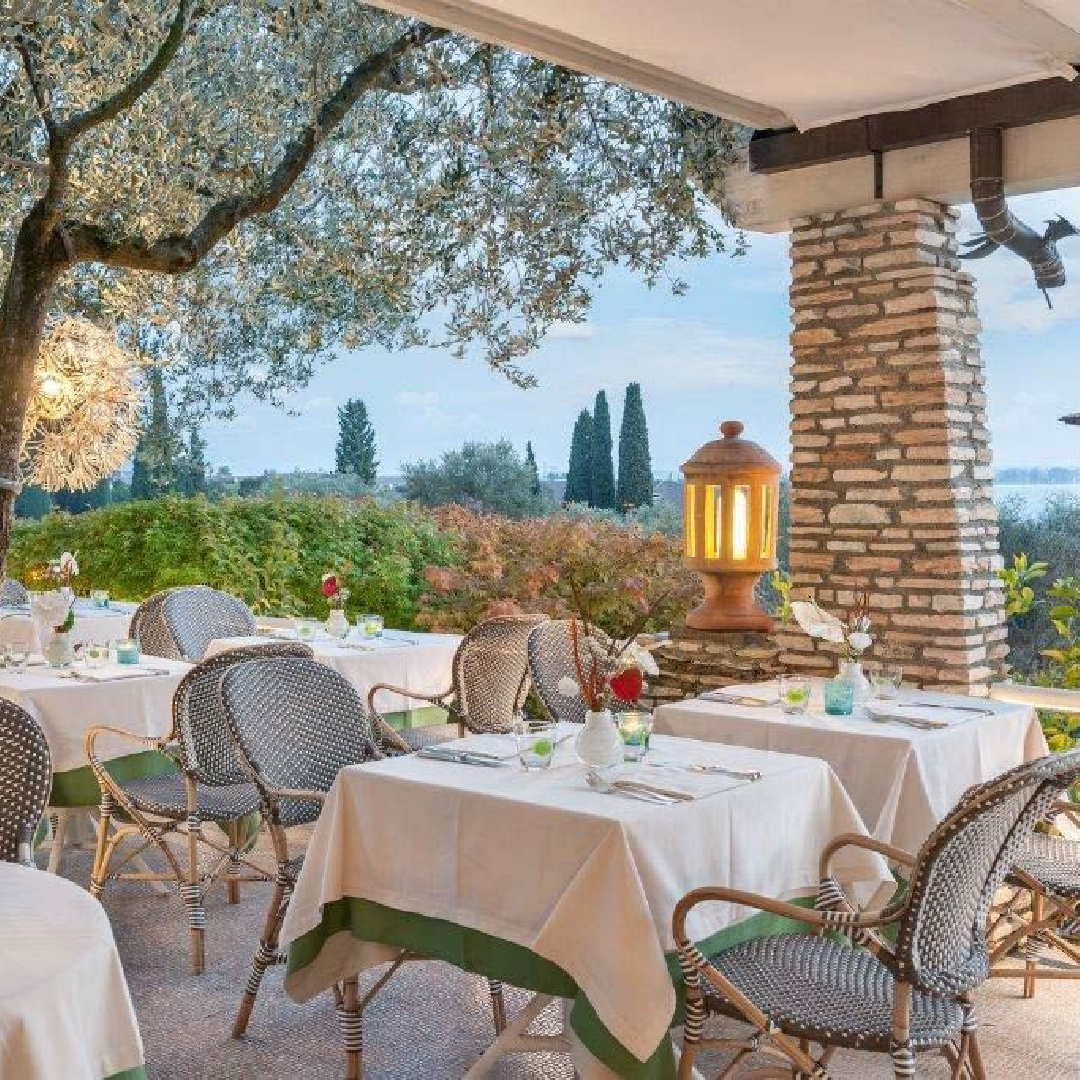
Lonato eats like the Brescian countryside rather than the lakefront: spiedo bresciano (skewers of small birds, pork and polenta slow-roasted for hours, usually a Sunday dish), casoncelli pasta with butter and sage, and lake fish like lavarello and tench from Desenzano’s fishermen. Prices in the trattorie around the old town are noticeably lower than by the water, with a full dinner around €30–40 a head with wine.
For the wider picture, including places worth the drive, see our pick of the best Lake Garda restaurants.
11 Family
On the edge of town the Il Leone di Lonato shopping centre has a cinema, big supermarket and a food court, which sounds unglamorous but is a lifesaver on a rainy day with children. In better weather Gardaland, Caneva and Movieland are 20–25 minutes east around Castelnuovo, and Parco Natura Viva’s safari is a little further on.
We compare all of them in our guide to the best Lake Garda parks, including which ones are worth the ticket price.
12 Evening
Evenings in Lonato are low-key: a spritz or a glass of Chiaretto at one of the bars along Corso Garibaldi and the square, a plate of salami and a chat with whoever is at the next table. The old town is lit softly and almost empty by 10pm outside festival weekends. If you want more going on, Desenzano’s lakefront bars are a 10-minute taxi ride.
Places in Lonato del Garda that made our ranked Lake Garda guides.
Lonato sits right beside the A4 Milan to Venice motorway. We leave at the Desenzano del Garda exit and follow the signs about 4 km up to the town. For the Rocca and the Casa del Podestà the handiest space is the Parcheggio del Corlo by the fortress gate, with more car parks between 50 and 800 metres away in the lower town. The comune has been turning Via Gerardi in the old centre into a limited traffic zone, so follow the parking signs. Unlike the lakeside towns, finding a space is rarely a problem.
There is no pier in Lonato. The nearest Navigazione Laghi landing is Desenzano, one stop by train, where the 2026 summer timetable (16 May to 4 October) includes fast boats to Sirmione, Peschiera and Riva.
Lonato has its own station on the Milan to Venice line, served by Trenord regional trains between Brescia and Verona and some Trenitalia regionals between Brescia and Venice; stops are not frequent, so check times. It is about a ten-minute walk up to the historic centre. Arriva line LN026 (Brescia, Lonato, Desenzano, Sirmione, Peschiera, Verona) stops in town on Via Borgo Clio, and the R-Link 204 between Desenzano station and Salò calls at Lido di Lonato on the lake every 30 minutes.
Checked against the operators’ own websites on 28 September 2026. Timetables and prices change every season: confirm times with Navigazione Laghi and the bus operator before you travel.
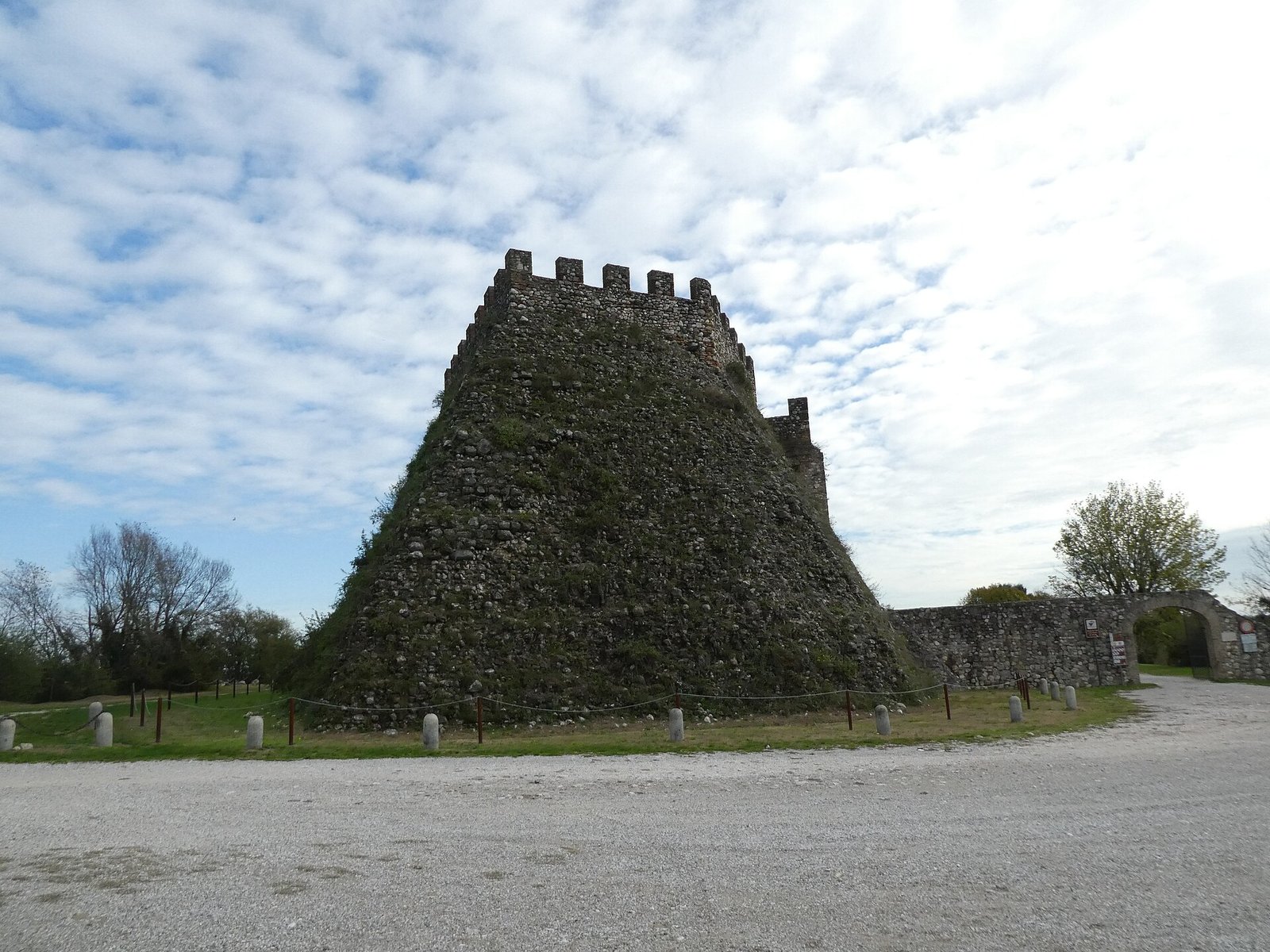
Yes, if you like fortresses, wine and a town that still belongs to the people who live there. The Rocca and the Casa del Podestà are a genuinely good half day, the antiques market is one of the best on the lake, and prices are lower than anywhere on the water. It is not a beach town, so pair it with Desenzano for the lakefront.
Not really. The town sits on the moraine hills about 4 km from the shore, and although the comune owns a short strip of beach at Lido di Lonato, the nearest proper lakefront is at Desenzano and Padenghe, a 10-minute drive. From the walls of the Rocca you get a wide view over the southern basin, but there is no promenade or harbour in the town itself. Think of it as a hill town with the lake nearby.
It is a practical, good-value base for people with a car. Accommodation is cheaper than the lakeside, parking is easy, the motorway and railway station are on the doorstep, and Sirmione, Desenzano, Salò and the theme parks are all within 30 minutes. Without a car it is less convenient, though the train to Desenzano and Peschiera takes minutes. See our guide to Lake Garda holiday bases for the alternatives.
One full day covers the Rocca, the Casa del Podestà, the basilica and a long lunch, with the abbey of Maguzzano if you have a car. If you are using Lonato as a base, a week gives you time for the lake towns, a winery afternoon in Lugana country and a bike ride to San Martino della Battaglia without ever feeling rushed.
You can. The railway station has regional trains to Desenzano, Peschiera, Brescia and Verona, though stops at Lonato are not frequent, so check times; from the station it is about a ten-minute walk or a short taxi ride up to the old town. Arriva line LN026 from Brescia and Desenzano also stops in town on Via Borgo Clio. What you cannot easily do without a car is reach the abbey, the wineries and the beaches, so plan those as taxi or bike days.
Parking is one of Lonato's advantages. There are free and low-cost spaces around Piazza Martiri della Libertà and along the lower ring roads, and a car park below the Rocca on Via Rocca for the fortress. On antiques Sunday and during the January fair arrive early, as the centre is closed to traffic and the outer spaces fill by mid-morning.
The weekly market is on Thursday mornings in the lower town, with food stalls, clothes and household goods. The one worth planning around is the antiques and collectors' market on the third Sunday of each month, which spreads through the old town from early morning until early afternoon. The Fiera Regionale in mid-January is the biggest event of the year.
Late spring and early autumn. In May, June and September the hills are green or turning gold, the Rocca is open every day, and the lake towns below are busy but not packed. The grape harvest in September and October adds winery events, and October Sundays in the old town are lovely. July and August are hot on the hill, though evenings are pleasant.
The trattorie in and around the old town serve Brescian cooking at country prices: casoncelli, spiedo on set evenings, lake fish and plenty of Lugana. For a special dinner, Desenzano and Sirmione are 10–15 minutes away and have the lake's densest concentration of good restaurants. We have listed the places we go back to in our pick of the best Lake Garda restaurants.
Stay in Desenzano if you want the lakefront, the ferries and the evening buzz on your doorstep, and are happy to pay for it. Choose Lonato if you would rather have a quieter town, a cheaper room and easy parking, with the lake 10 minutes away by car or train. Families with a car and couples on a budget tend to prefer Lonato; first-time visitors without a car should pick Sirmione or Desenzano.
From March to October both open daily from 10am to 6pm (last entry to the Casa Museo at 5pm). From November to February the Rocca opens Saturdays and Sundays only, 10am to sunset, while the Casa Museo keeps daily hours. Both close on 25 December and 1 January.
Castelnuovo del Garda
Southern shore
Gardaland's home town, with quiet beaches, Custoza vineyards and Peschiera and Lazise either side
 Desenzano del Garda
Southern shore
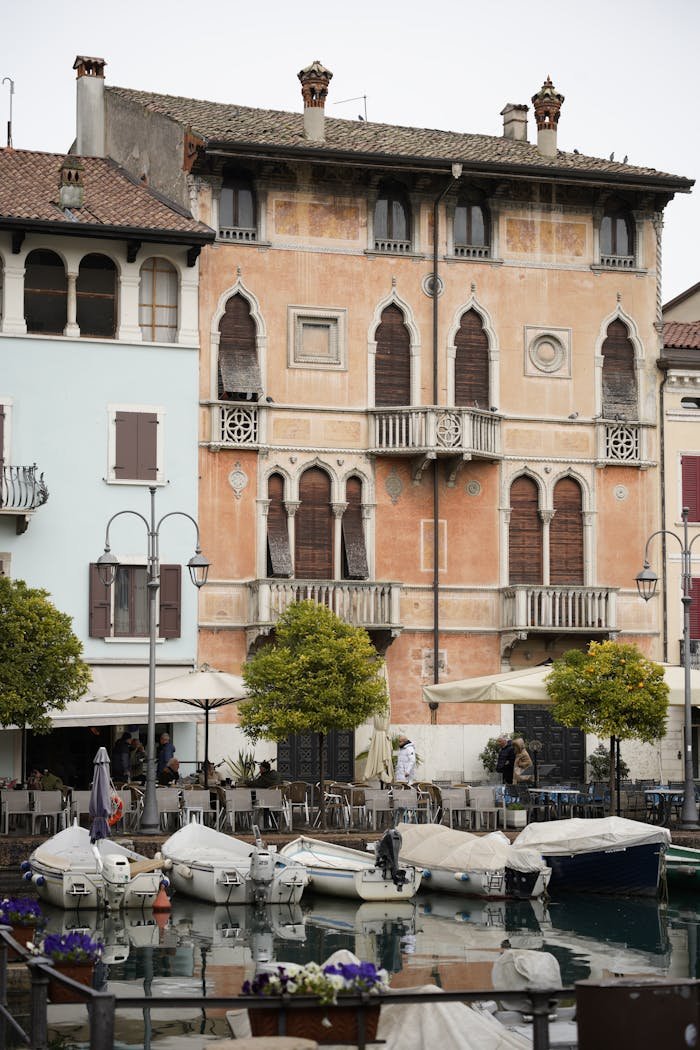
The lake's biggest town: a Venetian harbour, Roman mosaics, a Tuesday market and the best nightlife
Arco
Northern tip
A castle on a rock, Habsburg gardens and Italy's best sport climbing, ten minutes inland from the lake
© 2026 Best of Lake Garda · Independent guides to every town on the lake, written and checked by Alex Burgoyne and Nicole. No one pays to be listed.